
There’s a version of staying healthy that nobody really talks about.
Not the 5am workouts. Not the training plans or the calorie tracking or the guilt that comes from skipping a session. Just being outside, moving a little, maybe talking to someone you like. Doing something that doesn’t feel like exercise but somehow leaves you feeling better than when you started.
That version is real. And the research behind it is more solid than most people expect.
The pressure to go hard is starting to ease up
For a long time, the message around staying active was pretty consistent: more is more. Push harder, move faster, do more. Anything gentle enough to feel enjoyable probably wasn’t doing much.
That idea is losing ground. Not because people have gotten lazier, but because the evidence is pointing somewhere different. Researchers have spent the last decade looking closely at what actually sustains people’s health long-term, and the answer keeps coming back to consistency over intensity. Habits that fit into real life rather than ones that require a complete lifestyle overhaul to maintain.
Low-intensity outdoor activity sits right at the center of that shift. And it turns out it’s doing a lot more than most people gave it credit for.
What low-intensity actually means
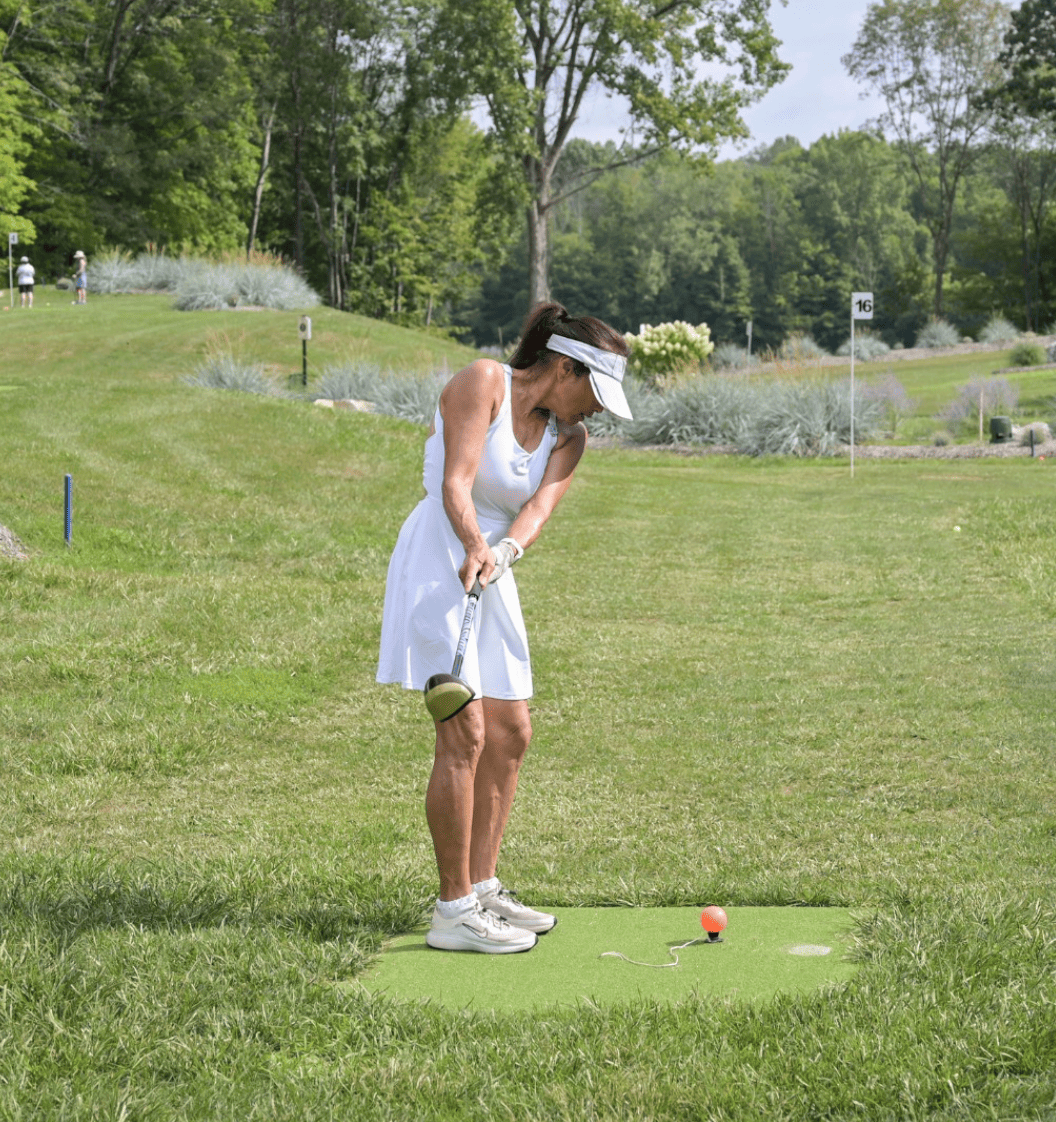
Low-intensity sports are exactly what they sound like. Activities that get you moving without pushing your body toward exhaustion. A walk through a park. A bike ride at a pace where you can still hold a conversation. An outdoor game that keeps you on your feet without keeping score in any serious way.
What makes them valuable isn’t what they demand. It’s what they don’t.
They don’t require special training. They don’t filter people out based on fitness level. They’re accessible on a Tuesday afternoon when you have an hour and don’t want to think too hard about what to do with it. That openness is part of why they tend to stick. People come back to things they actually enjoy, and these tend to be enjoyable in a way that a hard workout rarely is at 6am in February.
What being outside actually does to you
The mental health case for spending time in nature has been building for years, and at this point it’s hard to ignore.
A widely cited overview from the American Psychological Association found that time spent outdoors is consistently linked to better mood, lower stress, and improved overall mental wellbeing. (Source) The effect doesn’t require a long hike or a weekend in the mountains. Short, regular exposure to green space — a park, a tree-lined path, an open outdoor area — shows measurable benefits.
Part of what’s happening is something researchers call attention restoration. Modern life is relentless in what it asks from your brain. Screens, noise, constant decisions, notifications. Nature operates at a different frequency. It gives your mind something to rest against rather than something to process. And when you come back from it, your ability to focus and think clearly tends to be noticeably better.
In practical terms: the hour you spend outside isn’t time taken away from being productive. It’s often what makes the rest of the day more productive.
The physical side. Why gentle movement adds up
Low-intensity movement tends to get underestimated because it doesn’t look like much from the outside.
But gentle, consistent activity supports circulation, joint health, balance, and coordination in ways that matter significantly over time, especially for people who aren’t in a season of life where intense training is realistic or appealing. It keeps the body engaged without creating the kind of strain that leads to injury, burnout, or the slow drift away from activity that happens when something stops being sustainable.
The real advantage is exactly that: sustainability. A habit you maintain for years does more for your long-term health than a demanding routine you abandon after three months. Consistency beats intensity over time, almost every time.
How much time outdoors is actually enough
This is one of those questions that sounds complicated but has a surprisingly clear answer.
A study published in Nature found that spending around two hours per week outdoors is linked to meaningfully better health and wellbeing. (Source) Two hours. That’s less than most people spend on their phone on a given day.
It doesn’t have to happen in one block either. A few shorter sessions across the week add up to the same benefit. Which means the bar is lower than most people assume, and clearing it is mostly a matter of choosing to go outside rather than staying in.
The part nobody puts on a fitness tracker
There’s a benefit to outdoor activity that doesn’t show up in any app.
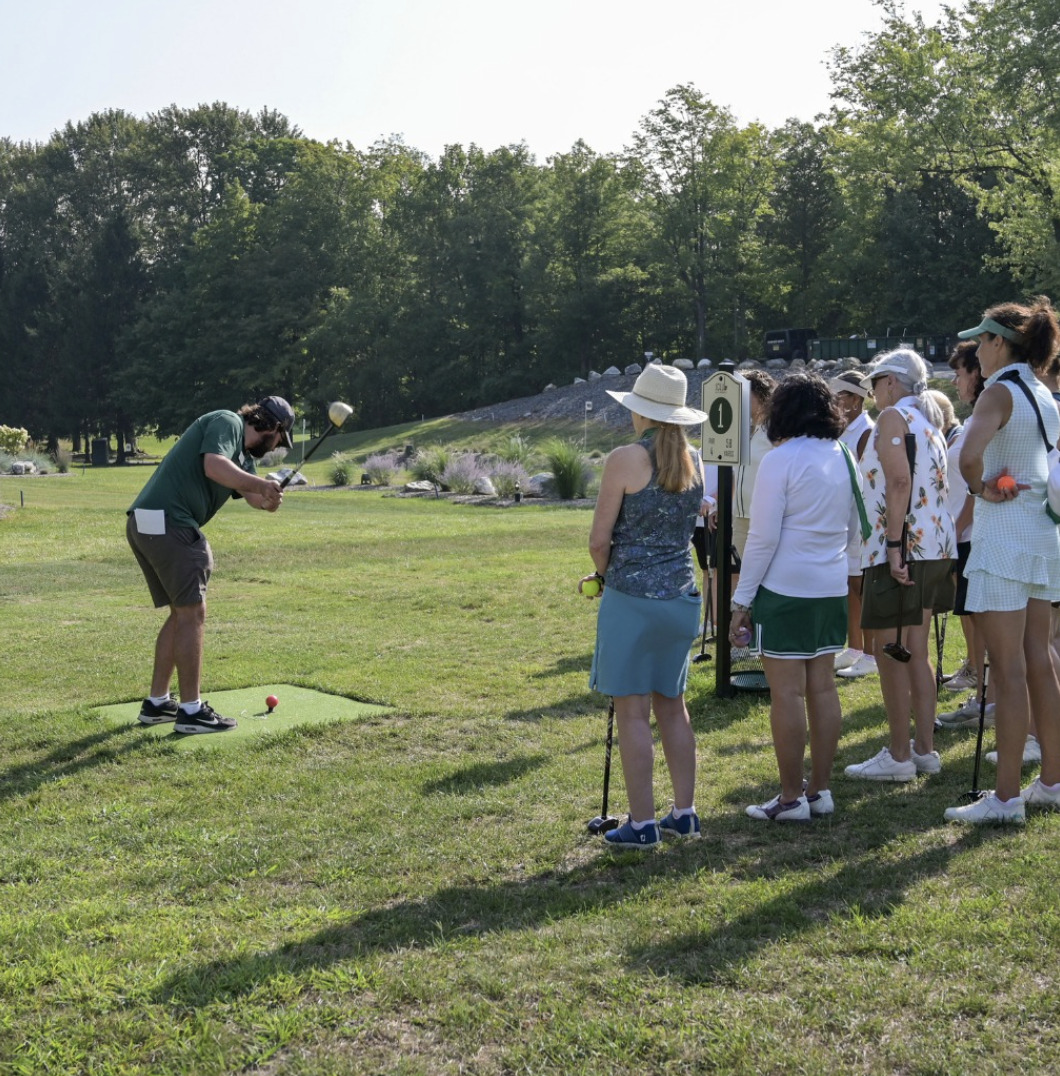
People connect differently outside. Conversations that feel effortful indoors tend to flow more naturally when you’re moving through a space together. Research has found that time in natural environments makes people more cooperative, more open, more willing to linger. The social pressure drops. The need to perform fades. You just end up talking more.
Anyone who’s had a genuinely good conversation on a walk knows exactly what this means. There’s something about being side by side and in motion that makes honesty easier and small talk less necessary.
For friendships, for families, for groups of people who want to spend time together without staring at their phones. Outdoor activity does something that a dinner reservation or a night in front of a screen rarely does.
Where park golf fits into all of this
Park golf is one of those activities that makes a lot more sense once you’ve actually tried it.
The format is simple. One club, one ball, a compact course you walk at whatever pace suits you. There’s no handicap system to understand, no equipment bag to haul around, no learning curve that keeps you frustrated for your first several sessions. You arrive, you learn the basics in a few minutes, and then you play.
What happens after that is the point. You’re outside. You’re moving. You’re focused just enough on the game to stop thinking about everything else. The conversation happens naturally because you’re not trying to have it. You’re just playing, and it shows up on its own.
It checks every box that the research points to: time in nature, light physical activity, social connection, and enough of a mental hook to keep you present. It doesn’t feel like exercise. It feels like an afternoon well spent. And two hours into it, you’ve hit your weekly nature quota without once thinking about hitting your weekly nature quota.
1Club in Vernon, New Jersey
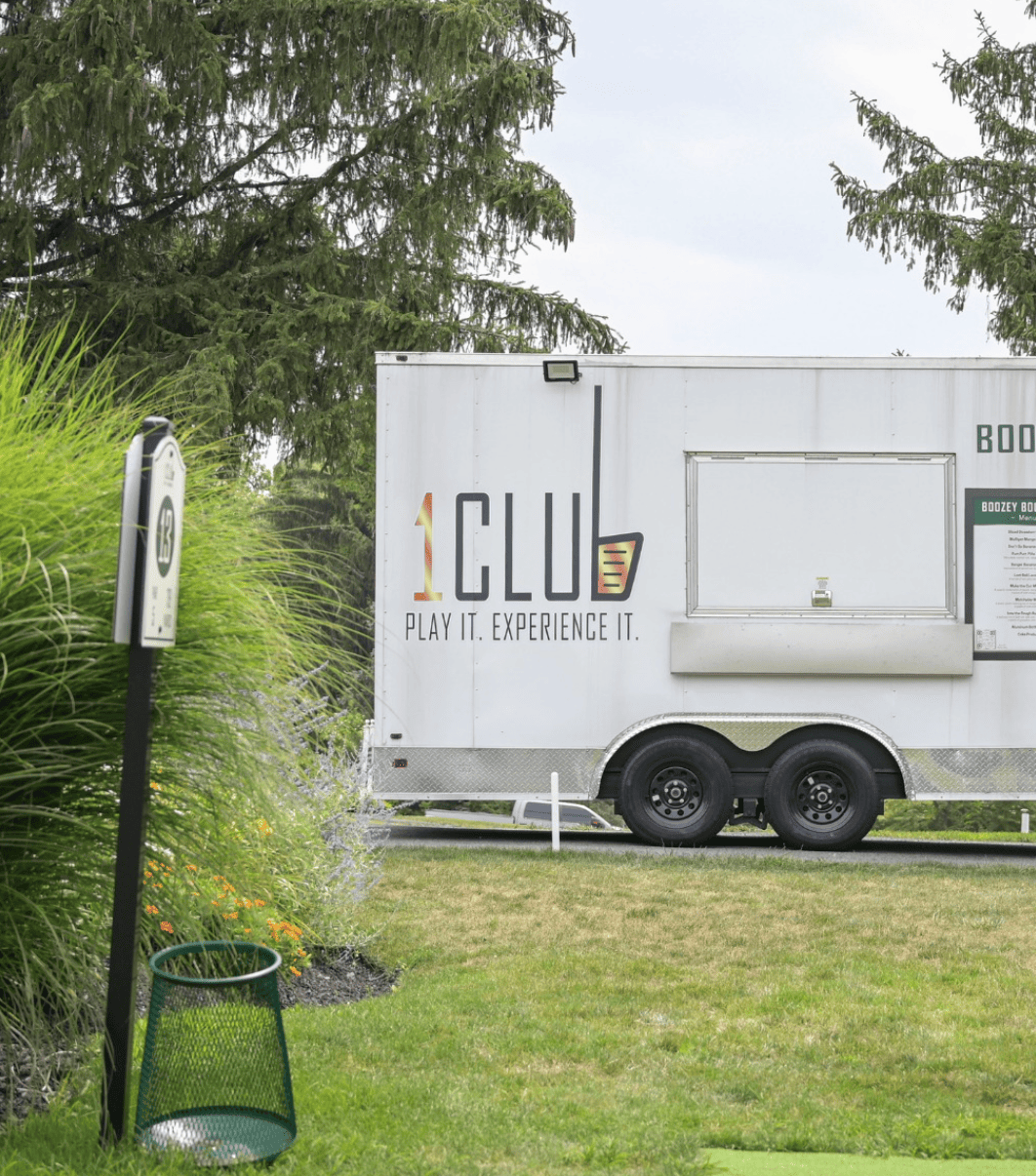
For anyone in the area curious to try it, 1Club in Vernon is one of the best places to experience what park golf actually feels like in practice.
The setup reflects the spirit of the sport. The space is welcoming and unpretentious. No prior experience needed, no pressure to be good at it, no atmosphere that makes a beginner feel out of place. There’s music, there are drinks, and the course sits in an outdoor environment that does what outdoor environments do: it makes you feel better than you did when you walked in.
You can read more about the sport itself and check the rules before you go, though most people pick it up quickly enough that neither feels necessary.
It’s the kind of place where people show up for an hour and stay for three. Not because anything dramatic happens, but because nothing needs to. It just feels good to be here.
Why this matters beyond the workout
The quiet shift happening in how people think about staying active is worth paying attention to.
More people are moving away from the idea that health requires suffering, sacrifice, or a level of discipline that most lives can’t realistically support. They’re looking for something that fits into their schedule, their energy levels, their actual enjoyment of life.
Low-intensity outdoor sports answer that honestly. They’re sustainable because they’re enjoyable. They’re effective because they’re consistent. And they’re accessible because they were designed to be.
Sometimes the version of staying healthy that actually works is the one that doesn’t feel like staying healthy. It just feels like a good afternoon.
FAQ
Are low intensity sports enough for good health?
Yes. While they may not replace all forms of exercise, they support overall health, especially when done regularly. They are also easier to maintain over time.
How often should you spend time outdoors?
Research suggests around two hours per week can make a noticeable difference, but even shorter sessions are beneficial.
Is park golf suitable for beginners?
Yes. It is designed to be easy to learn, with simple rules and a relaxed pace that welcomes first time players.
What makes outdoor activities different from indoor ones?
Outdoor environments reduce stress, improve mood, and support mental clarity in ways indoor settings often cannot.
Where can you try park golf in New Jersey?
You can try it at 1Club in Vernon, which offers a beginner friendly introduction to the sport in a social outdoor setting.